

X-Rays for Kids: Why We Take Them, and Why They're Safe
No parent loves hearing that their child needs x-rays. It's a reasonable instinct — radiation and children aren't two words anyone likes together.
So here's the full picture: what we're actually looking for, how much radiation is involved, and how we keep it as low as possible.
What we can't see without them
An examination shows us the surfaces of the teeth. It doesn't show us what's between them, inside them, or underneath the gums — and a great deal of what matters in a child's mouth is in exactly those places.
X-rays let us find:
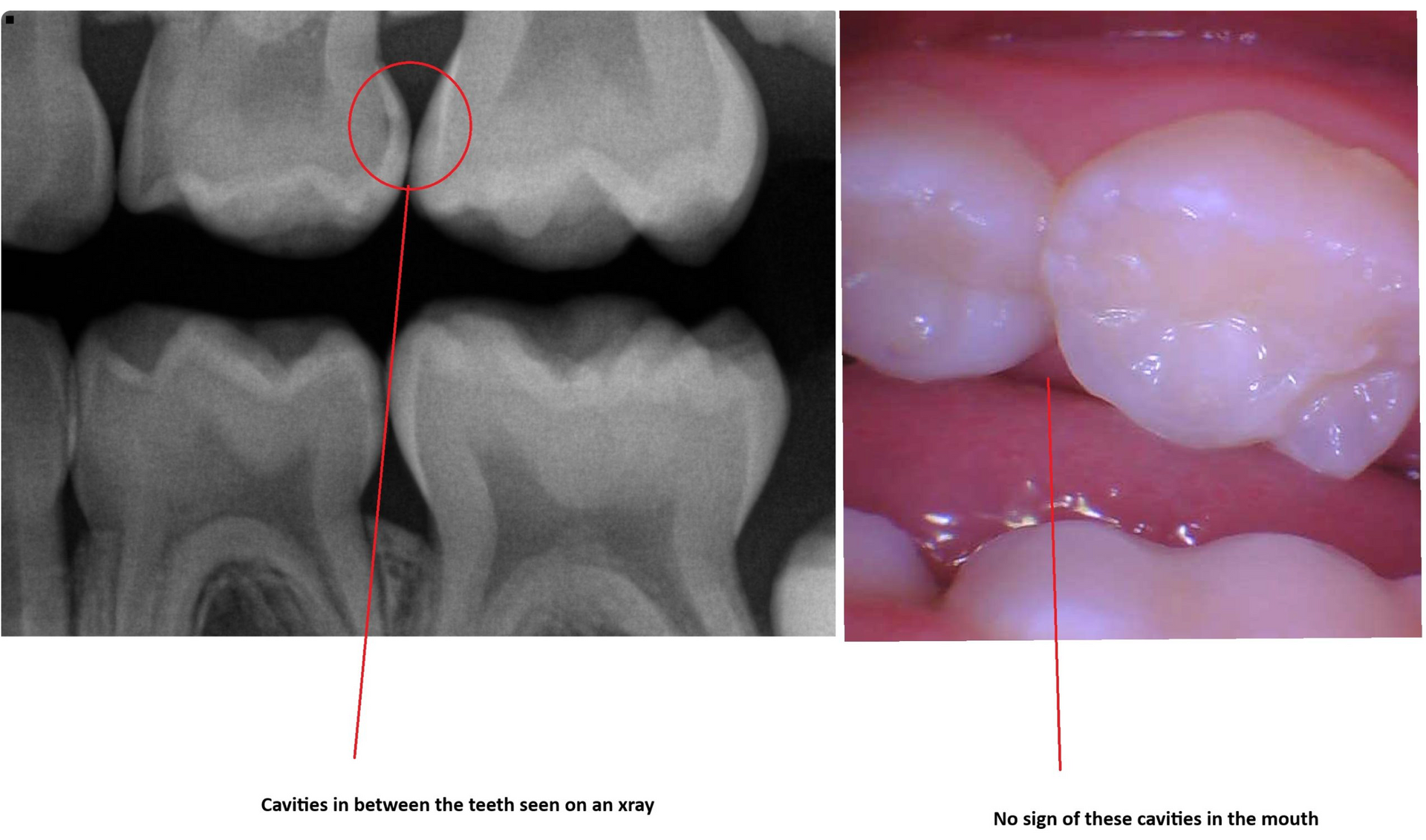
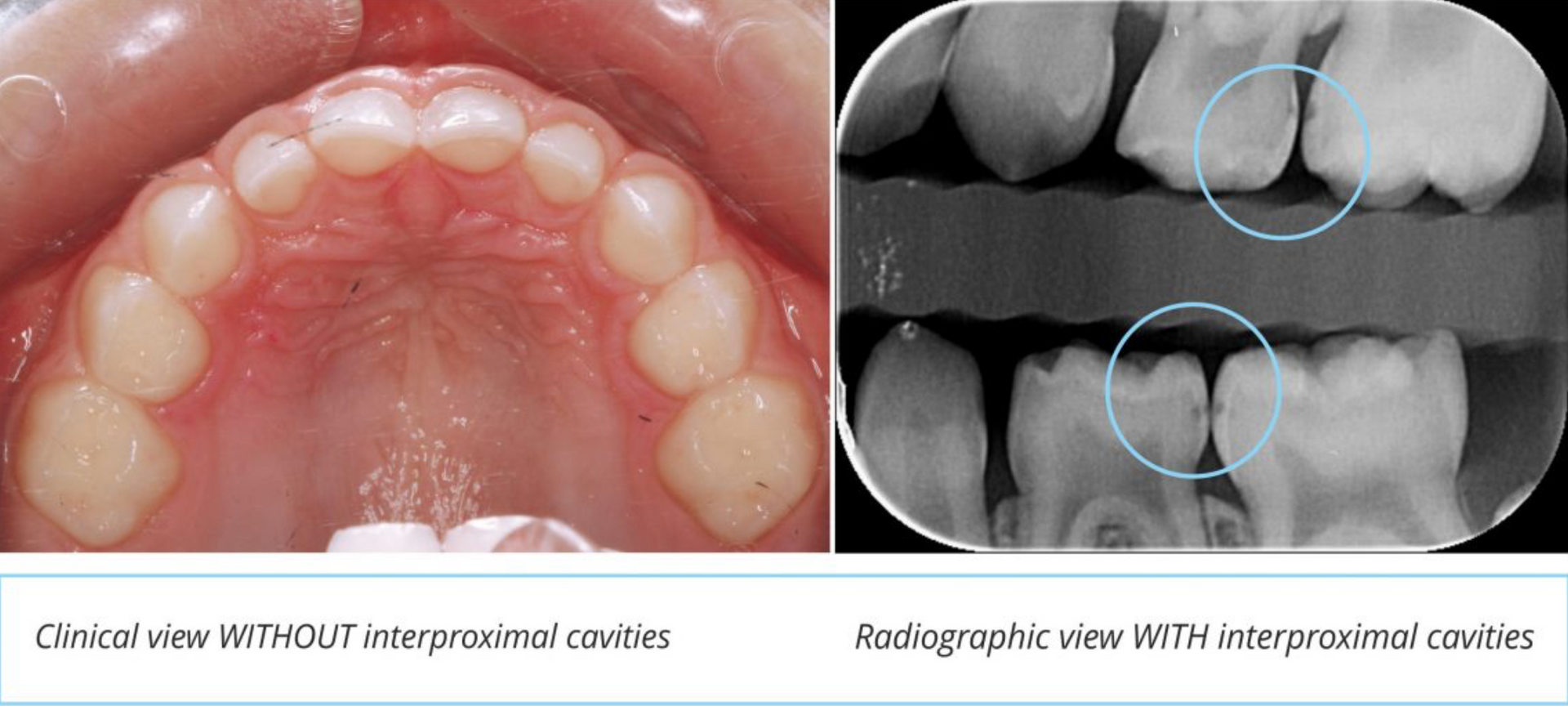
Cavities between the teeth. This is the big one. In children, decay very often starts on the surfaces where two teeth touch — completely hidden from view. By the time that kind of cavity is visible or painful, it's usually large. On an x-ray we can catch it while it's still small, or even early enough to reverse.
Infection at the root. An abscess forms in the bone below the tooth, where nothing shows on the surface until there's swelling.
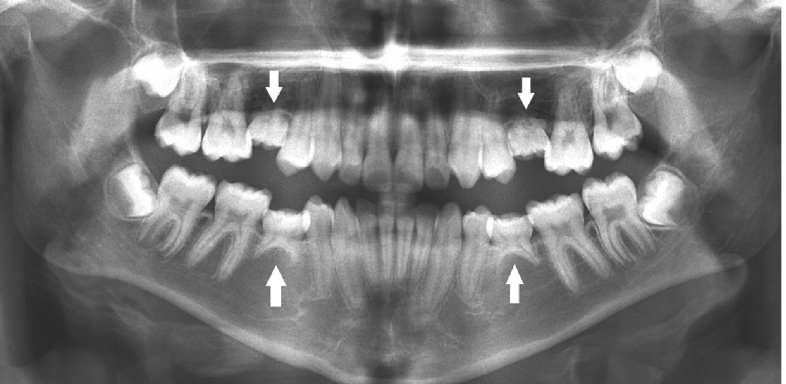
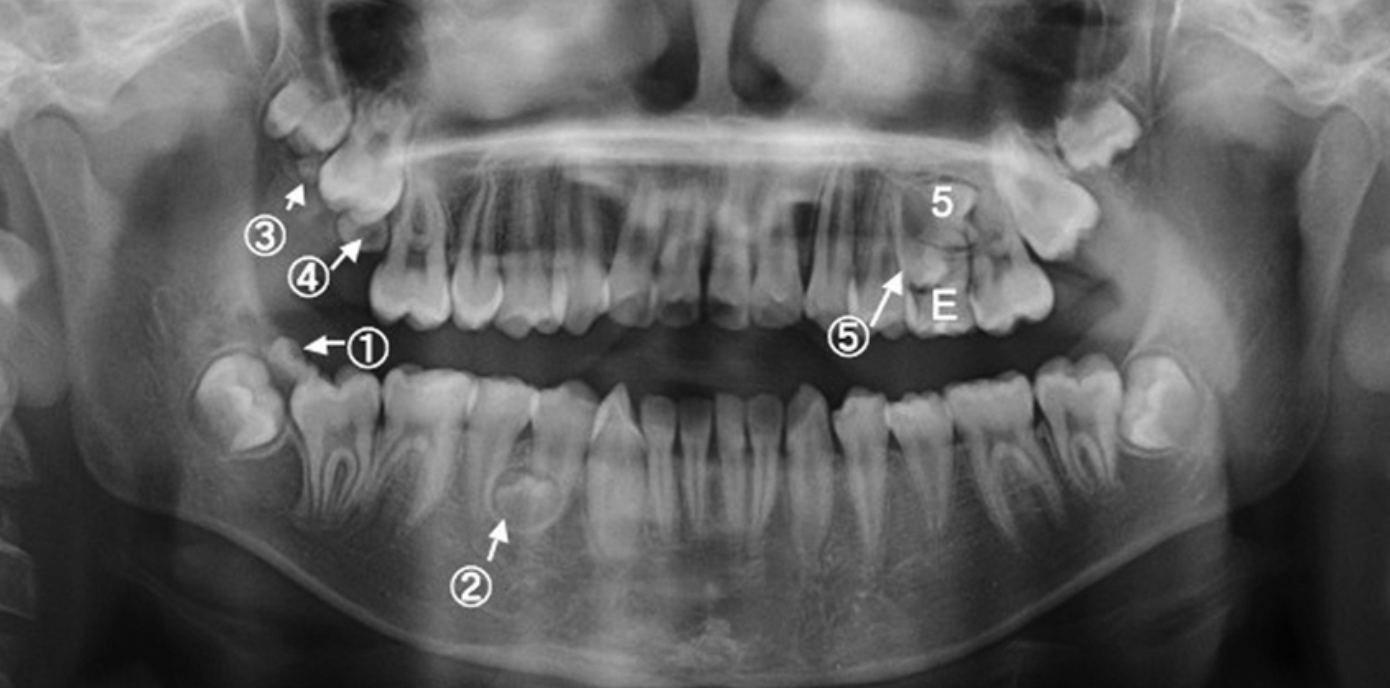
Adult teeth that are missing, extra, or stuck. Some children are simply born without certain permanent teeth, or have extras, or have one growing sideways. Finding this at seven rather than twelve changes what can be done about it.
Whether there's room. We can see the permanent teeth developing and get an early sense of crowding.
Injuries below the surface. After a knock to the mouth, x-rays show root fractures and damage to the developing adult tooth underneath.
Whether decay has reached the nerve, which determines whether a tooth needs a filling, a pulpotomy, or removal.
Put simply: skipping x-rays doesn't mean fewer problems. It means finding them later, when they're bigger and harder on your child.
How much radiation is actually involved
Much less than most parents imagine.
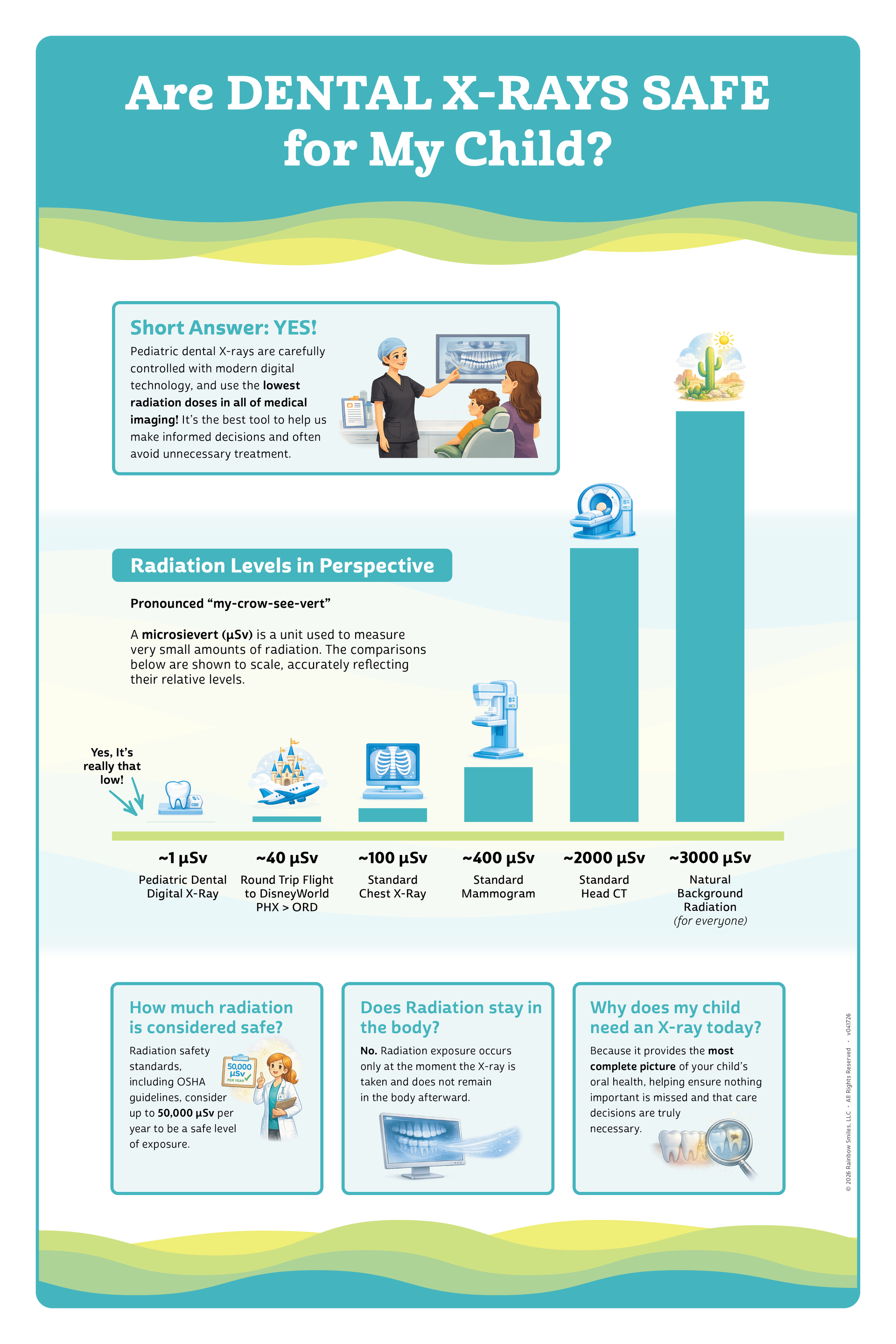
We use digital sensors, which need a fraction of the radiation that old-fashioned dental film required. A set of small cavity-detecting x-rays exposes your child to roughly the amount of natural background radiation they'd absorb in about a day of ordinary life.
That background radiation is worth understanding, because it's the honest comparison. We're all exposed to radiation constantly — from soil and rock, from building materials, from the sun. It's higher at altitude, which is why a single cross-country flight delivers several times the dose of a set of dental x-rays.
The dose isn't zero, and we don't pretend otherwise. It is small enough that the risk of missing a growing infection in your child's mouth is the larger of the two risks. It’s actually 1 microsievert - so standard x-rays are typically 4-10 microsieverts every 6 to 12 months. Radiation guidelines say you can have 50,000 microsieverts a year before radiation is unsafe.
How we keep it as low as possible
Digital sensors throughout, using far less radiation than film.
We narrow the beam to cover only the area we need to see.
We take them only when there's a reason. We consider your child's age, their history of cavities, their risk, and what we can already see. Every 6 months for higher to moderate-risk children, every 12 months for lower-risk. Growth and development x-ray, a panorex, is taken at 6 years old, 11-12 years old and again around 17-18 years old.
Questions parents ask
Can we just skip them?
You can decline, and we'll respect that. But we'd be examining your child with a significant part of the picture missing (roughly 30-35% of surfaces won’t be visible), and we'd want you to understand what that means — particularly the cavities between teeth that we simply cannot see any other way. If you decline, we reserve the right to decline seeing your child if they are due for x-rays per our office policy, especially children who are moderate to high risk.
How often will my child need them?
It depends on their cavity risk, not on a calendar. A child who's never had a cavity needs them far less often than one who has. We'll explain our reasoning for your child specifically.
Does my child need them on their first visit?
Often not if they are coming at age 1. Overall, it depends on their age, whether their teeth are touching yet, and what we can see. If the back teeth have gaps between them, we can see those surfaces directly, but if they are touching, we typically start x-rays at 3 years old (or younger for Emergency patients).
What if my child won't cooperate?
Very common, and not a problem. We have smaller sensors for small mouths, we take our time, and we let children see and hold the equipment first. If it doesn't work today, we try again next time — we don't force it (unless it is an emergency appointment or trauma related).
Ask us anything
If you have concerns about x-rays, raise them — we'd much rather explain our reasoning than have you agree reluctantly. And if we recommend one, we'll tell you exactly what we're looking for and why.
Call Bloom Pediatric Dentistry in Chandler: 480-867-7355