Hydroxyapatite Toothpaste: What is it and How It Compares to Fluoride
More and more parents are asking us about hydroxyapatite toothpaste — usually after seeing it marketed as a natural, fluoride-free alternative.
It's a fair question, and it deserves a real answer rather than a brush-off in either direction.
Here's what hydroxyapatite is, how it differs from fluoride, and what we actually recommend.
What hydroxyapatite is
Hydroxyapatite isn't an exotic ingredient. It's the mineral your child's teeth are already made of — roughly 97% of tooth enamel is hydroxyapatite. It's in bones, too.
Toothpastes use a finely milled version, often labeled nano-hydroxyapatite or n-HA. The idea is straightforward: give the tooth more of the exact material it's built from.
The key difference from fluoride
This is the part worth understanding, because the two work in genuinely different ways.
Fluoride changes the tooth's chemistry to make it tougher. When fluoride reaches enamel, it becomes part of the crystal structure, converting hydroxyapatite into something called fluorapatite. Fluorapatite is more resistant to acid than the original mineral was. Fluoride also interferes with the bacteria that produce that acid in the first place. In short: fluoride makes the tooth harder to damage.
Hydroxyapatite supplies replacement material. Rather than altering the tooth's chemistry, it delivers the mineral directly, depositing into microscopic weak spots and helping rebuild what acid has dissolved. In short: hydroxyapatite gives the tooth more of what it's made of.
One reinforces. The other replenishes. Both aim at the same outcome — enamel that resists decay — from opposite directions.
What the research says
Hydroxyapatite has better evidence behind it than skeptics allow, and weaker evidence than its marketing implies.
Several studies — including a well-designed trial published in BDJ Open — found hydroxyapatite performed comparably to fluoride toothpaste at remineralizing early enamel damage, with no statistically significant difference between them. More recent reviews have reached broadly similar conclusions.
The honest caveats: these studies tend to be small, short, and focused on remineralizing early lesions rather than on preventing cavities across years of real life. Fluoride's evidence base includes decades of large population studies showing fewer cavities in real children over real time. Hydroxyapatite doesn't have that yet — not because it failed such a test, but because the test hasn't been run at that scale.
It's also worth knowing that the American Dental Association's Seal of Acceptance for cavity protection currently requires fluoride, so hydroxyapatite toothpastes don't carry it.
What we recommend
For most children, fluoride toothpaste remains our first recommendation. It has the deepest evidence base in all of dentistry, and we're confident in it.
Hydroxyapatite is a reasonable option in some situations, and we're not going to pretend otherwise:
- Very young children who swallow toothpaste. This is the strongest case for it. Toddlers can't reliably spit, and hydroxyapatite isn't a concern when swallowed. Some families use it for the under-three stretch and move to fluoride once their child can spit reliably.
- Families who have decided against fluoride. If that's your decision, hydroxyapatite is a far better choice than a toothpaste with no remineralizing ingredient at all. We'd rather help you choose well than have you use nothing.
- Children with sensitivity, where hydroxyapatite may help by occluding exposed tubules.
Using both is also perfectly reasonable — some families use hydroxyapatite at one brushing and fluoride at the other. There's no conflict between them.
What matters most, honestly, is that your child brushes twice a day for two full minutes with something that helps. The gap between "good toothpaste" and "great toothpaste" is much smaller than the gap between brushing well and brushing badly.
Questions parents ask
Is hydroxyapatite safe to swallow?
At toothpaste levels, yes. It's the same mineral teeth and bone are made from, which is what makes it appealing for children too young to spit.
Does it whiten teeth?
Mildly, and not the way a whitening product does. It can make enamel look slightly brighter by smoothing the surface. It won't change the underlying color of a tooth.
Will it fix a cavity?
No — and neither will fluoride toothpaste. Both can help remineralize very early damage before a hole forms. Once decay has broken through the surface, it needs treatment.
Should I stop using fluoride?
That's your decision, and we'd like to be part of the conversation. Bring it to your child's next visit and we'll talk about your child's actual cavity risk, which is what should drive the choice.
Which brand should I buy?
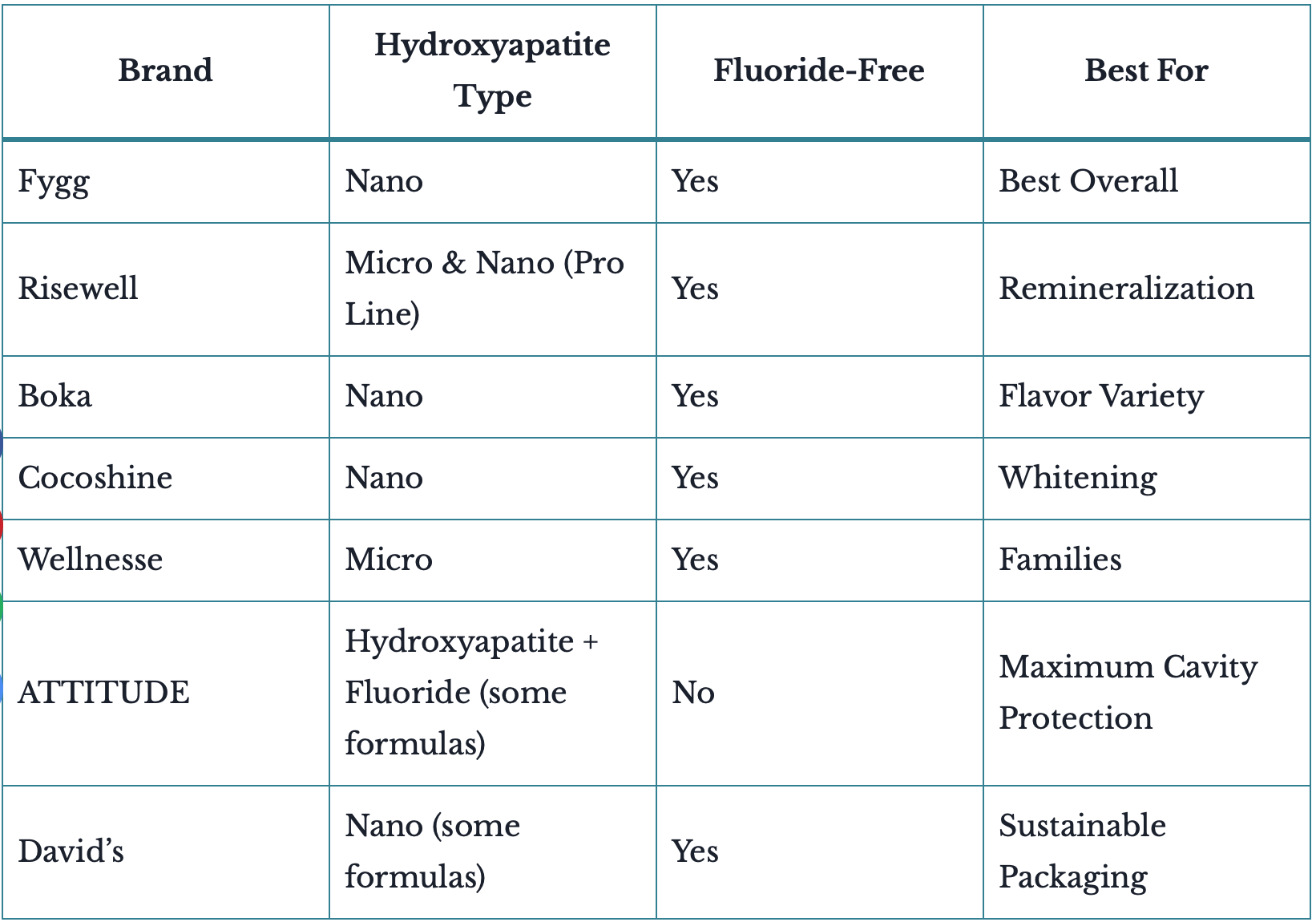
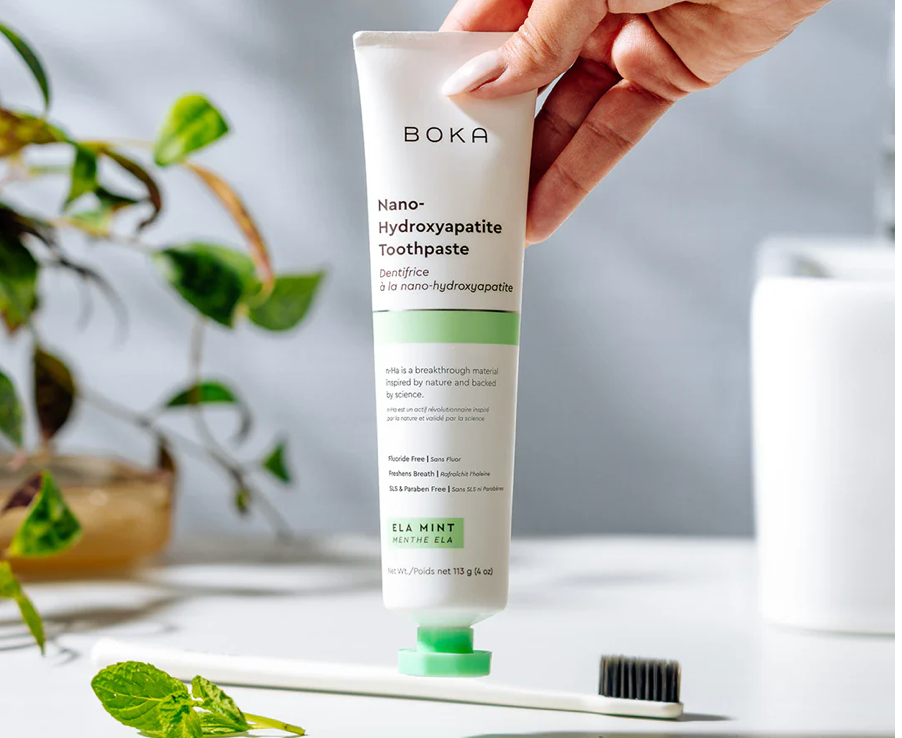
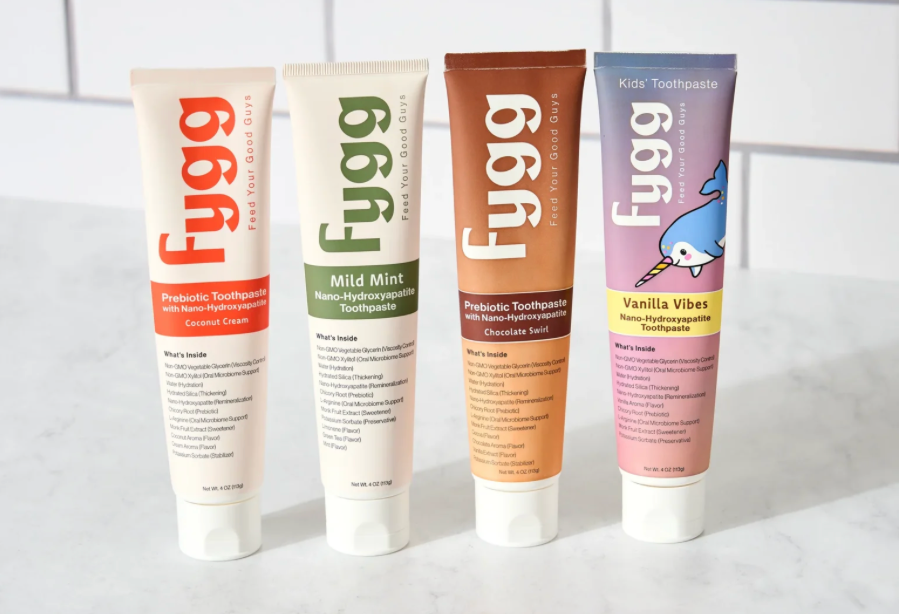
Look for hydroxyapatite or nano-hydroxyapatite listed near the top of the ingredients, not as a trace addition. Ask us and we'll point you toward options we've seen work well.
Let's talk about your child specifically
The right answer here depends on your child's age, whether they can spit, how many cavities they've had, and what you're comfortable with.
Call Bloom Pediatric Dentistry in Chandler: 480-867-7355