Strong Teeth Start Here
What fluoride actually does
Fluoride is a natural mineral. It's in water, in foods, and in most toothpastes. What makes it so useful for kids is the way it works on growing teeth:
- It strengthens enamel, the hard outer shell of each tooth, so it stands up better to decay.
- It fights the bacteria that cause cavities in the first place.
- It can reverse early decay by rebuilding weak spots on a tooth before they ever turn into a cavity.
That last one surprises a lot of parents. Caught early enough, a soft spot doesn't have to become a filling.
Where your child is already getting fluoride
Most kids get fluoride from a few places at once, at home and at our office:
Your tap water. Chandler adds fluoride to city water at 0.7–1.0 ppm — the level the American Dental Association recommends. West of Price Road, where the supply blends in groundwater, the natural fluoride level averages about 0.9 ppm, so protection is comparable across town. Filling up a water bottle really does help.
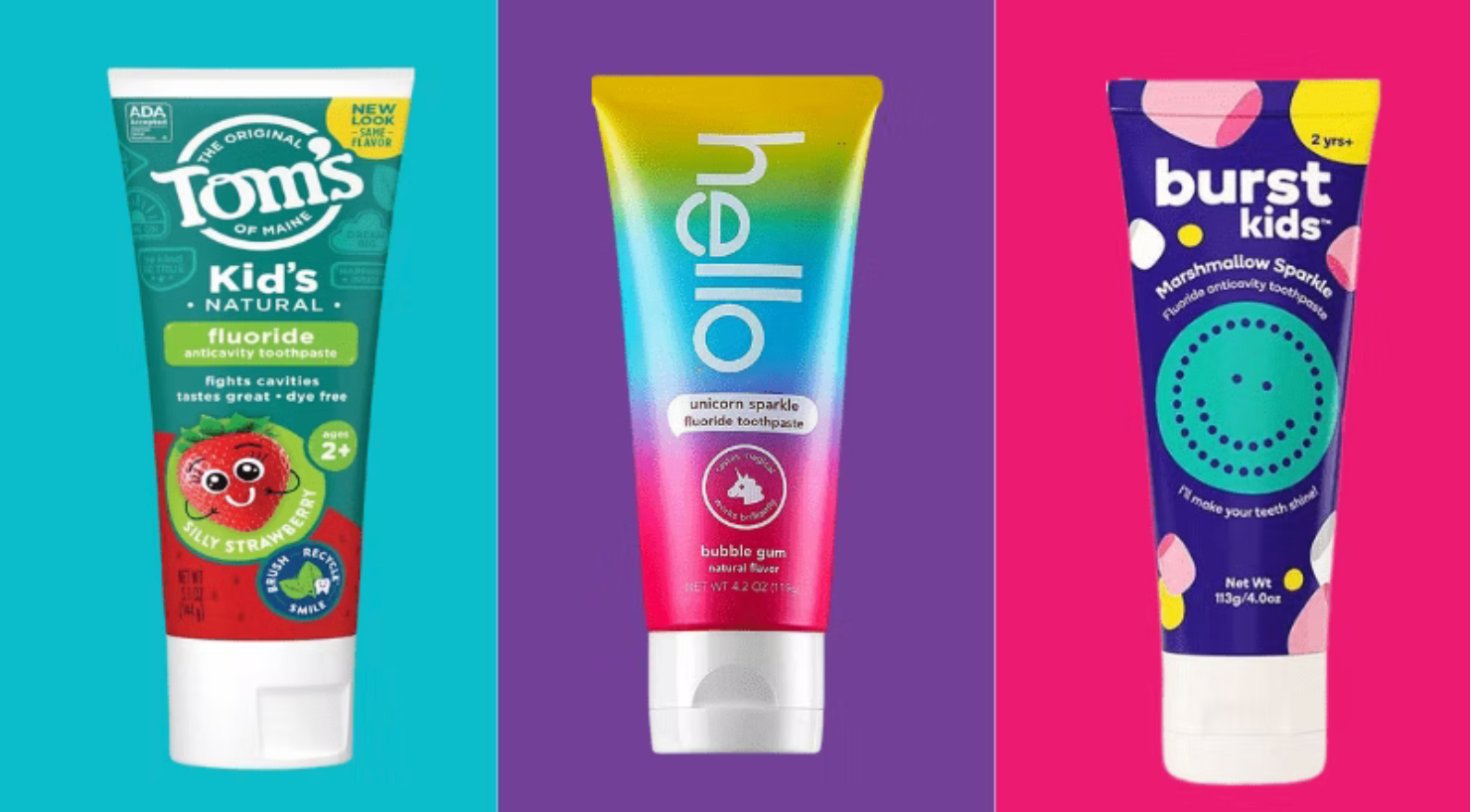
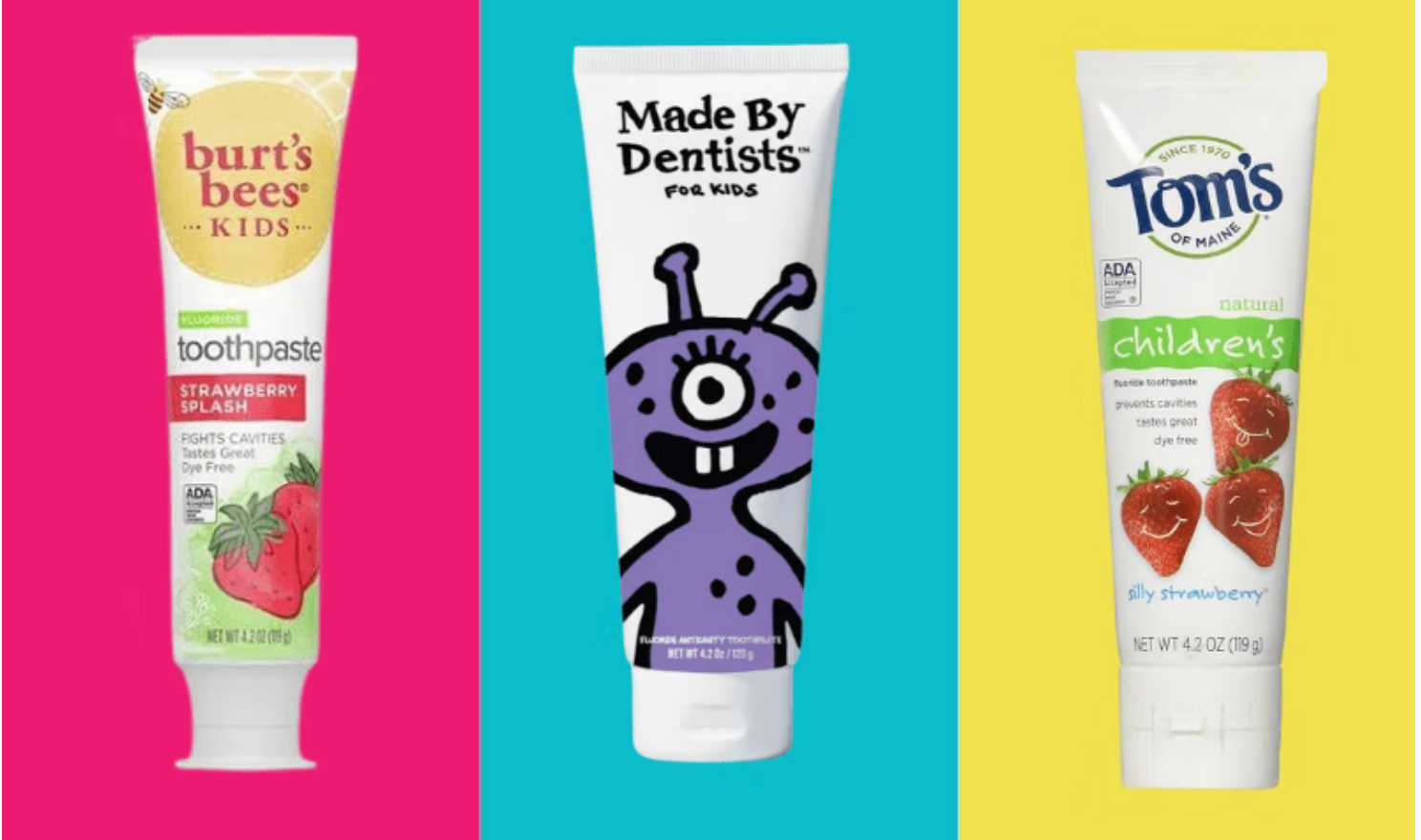
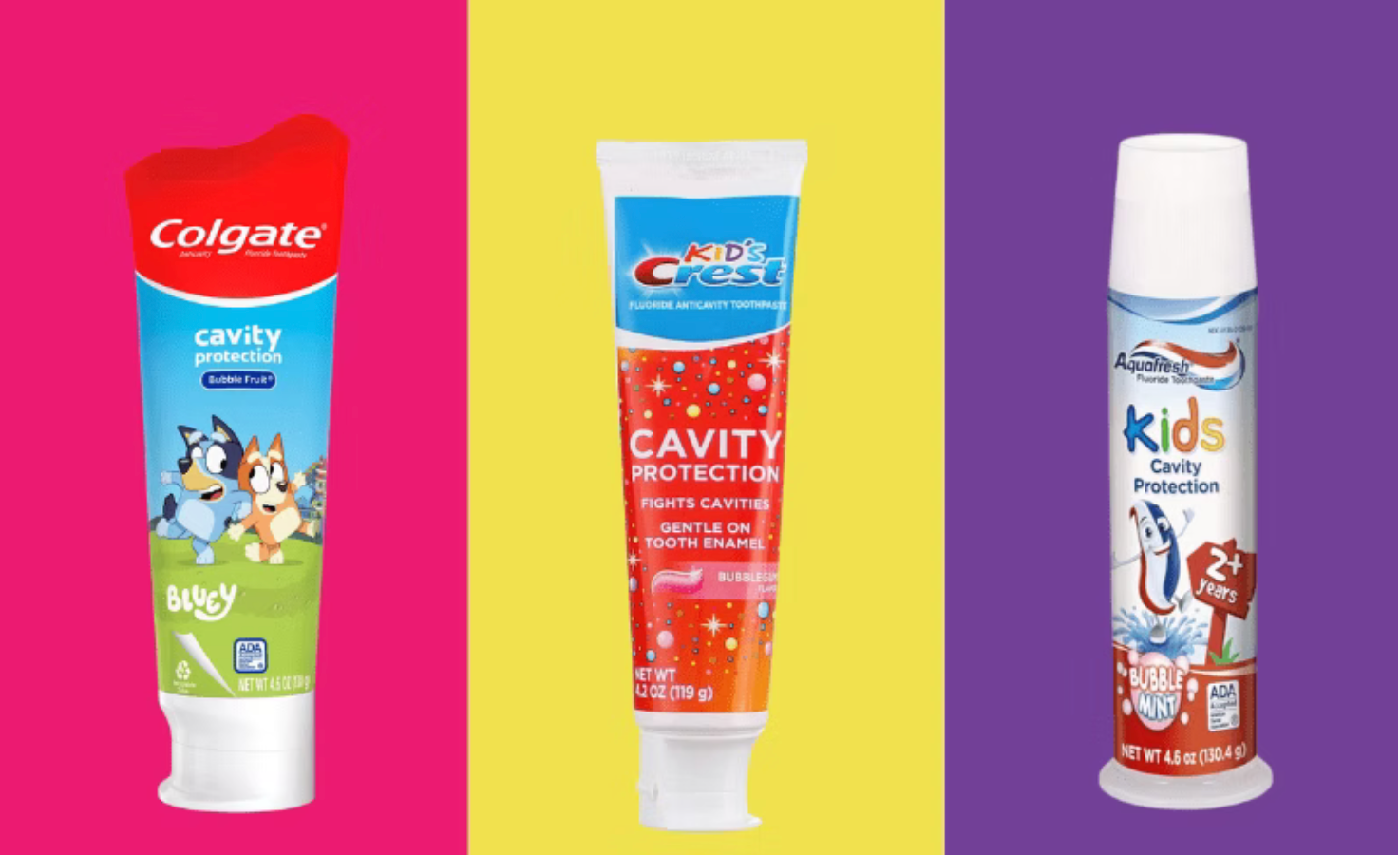
Fluoride toothpaste. Twice a day, every day. It's the single easiest habit that protects teeth. Amount matters, though — see below.
Treatments at your child's checkup. We paint on a concentrated fluoride varnish during regular visits. It takes about a minute, tastes fine, and gives teeth a boost that lasts for months. It's especially worthwhile for kids who get cavities easily.
Supplements — occasionally. These are for families on well water or an unfluoridated supply. Most Chandler families don't need them. If yours might, we'll talk it through first rather than adding fluoride your child is already getting.
Is fluoride safe for kids?
Yes — in the right amount. Both the American Dental Association and the American Academy of Pediatric Dentistry recommend it as a proven, well-studied way to prevent cavities.
The one thing to watch is getting too much while teeth are still forming. That can cause dental fluorosis — faint white flecks on the enamel. It doesn't hurt, doesn't weaken teeth, and it's easy to avoid with the right amount of toothpaste.
Here's what that looks like:
| Age | How much toothpaste |
|---|---|
| Under 3 | A smear, about the size of a grain of rice |
| Ages 3 to 6 | A pea-sized dab |
A few other habits help:
- Teach your child to spit, not swallow.
- Supervise brushing until they've got the hang of it — you're mostly there to control the toothpaste, not the technique.
- Tell us what sources your child uses. If there's toothpaste, city water, and a supplement in the mix, we'll help you sort out what's actually needed.
Myths we hear a lot
- "Kids don't really need fluoride." Childhood is exactly when fluoride does the most good. Teeth are still developing, and that's when enamel takes it up best.
- "We use fluoride toothpaste, so the water doesn't matter." They work differently and they work together. Toothpaste protects the surface directly; water gives low-level protection all day long.
- "Fluoride is dangerous." At the levels used in toothpaste, city water, and dental treatments, decades of research say otherwise. As with anything — vitamins, medicine, even water — the amount is what matters.
Still have questions?
Fluoride is one of those topics where parents hear a lot of conflicting things. If you've read something that worries you, bring it to your child's next visit. We'd much rather talk it through with you than have you guess.
Ready to schedule?
Call Bloom Pediatric Dentistry in Chandler, or request an appointment online.